Delve into the world of home exterior siding and roofing ideas as we explore the various options to enhance your home's curb appeal. From different materials to color schemes, we have you covered with all you need to know.
Types of Siding Materials
When it comes to choosing siding materials for your home exterior, there are several options to consider. Each type of material has its own unique characteristics in terms of durability, maintenance requirements, aesthetic appeal, and cost implications.Vinyl Siding
Vinyl siding is a popular choice for homeowners due to its affordability and low maintenance requirements. It is durable, resistant to rot and insects, and comes in a variety of colors and styles. However, it can crack or fade over time and may not offer the same level of insulation as other materials.Wood Siding
Wood siding provides a natural and timeless look to a home. While it requires more maintenance than vinyl, with regular painting or staining needed to prevent rot and decay, it offers excellent insulation properties. Wood siding can be more expensive upfront but can add value to the home in the long run.Fiber Cement Siding
Fiber cement siding is a versatile and durable option that mimics the look of wood without the maintenance issues. It is resistant to fire, insects, and rot, making it a low-maintenance choice. Fiber cement siding is available in a wide range of colors and styles, offering a modern and sleek appearance to a home.Metal Siding
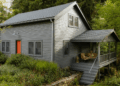
Metal siding, such as aluminum or steel, is a durable and long-lasting option for home exteriors. It is resistant to fire, rot, and insects, making it a low-maintenance choice. Metal siding can be more expensive than other materials, but it offers a sleek and modern look to a home.Consider the characteristics of each siding material carefully when making a decision for your home exterior. Look at examples of homes with different siding materials to visualize how each option can enhance the overall look of your home.Roofing Styles and Materials
When it comes to roofing, choosing the right style and material is crucial for the overall look and functionality of your home. Different roofing styles such as gable, hip, and flat roofs each have their own unique characteristics that can complement the architectural style of your house. In addition, selecting suitable roofing materials based on your climate and design preferences is essential to ensure durability and aesthetic appeal.Gable Roofs
Gable roofs are one of the most common roofing styles characterized by their triangular shape. They are known for their simplicity and ability to shed water and snow easily. Gable roofs are versatile and can work well with various types of roofing materials such as asphalt shingles, metal roofing, clay tiles, and slate.Hip Roofs
Hip roofs have slopes on all four sides, making them more stable and resistant to strong winds. They are ideal for areas prone to hurricanes or high winds. Hip roofs offer a more modern and sleek look compared to gable roofs and can be paired with a variety of roofing materials for a stylish finish.Flat Roofs
Flat roofs have a minimal slope or no slope at all, giving a contemporary and minimalist appearance to a house. While flat roofs require proper drainage systems to prevent water pooling, they provide additional outdoor living space and can be covered with materials like rubber membrane, built-up roofing, or green roofs for an eco-friendly touch.Roofing Materials
- Asphalt Shingles: Affordable and easy to install, asphalt shingles are a popular choice for many homeowners. They come in a variety of colors and styles, but may not be as durable as other materials.
- Metal Roofing: Known for its longevity and energy efficiency, metal roofing is a durable option that can withstand harsh weather conditions. It comes in different metals such as steel, aluminum, and copper.
- Clay Tiles: Clay tiles offer a classic and elegant look to a home, suitable for Mediterranean or Spanish-style architecture. While they are durable and fire-resistant, clay tiles can be heavy and may require additional structural support.
- Slate: Considered a premium roofing material, slate is incredibly durable and has a distinctive natural appearance. It is resistant to fire, mold, and pests, making it a long-lasting investment for your home.
Design Tips
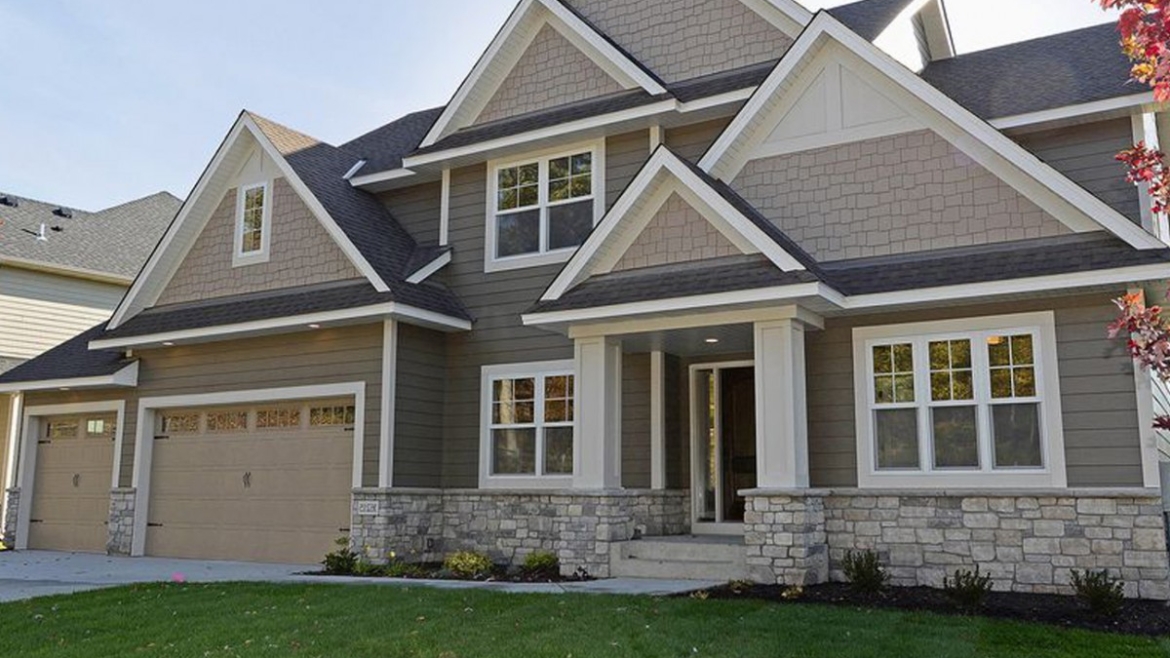
When selecting roof materials, it's essential to consider how they will complement your siding options for a cohesive look. For example, if you have a brick exterior, earth-toned asphalt shingles or clay tiles can enhance the overall aesthetic. Alternatively, metal roofing can provide a modern contrast to traditional siding materials like wood or vinyl. It's important to choose colors and textures that harmonize with each other to create a harmonious and visually appealing facade.Color Schemes and Combinations
When it comes to enhancing the curb appeal of your home, choosing the right color schemes for your siding and roofing is crucial. The colors you select can either make a statement or blend seamlessly with your surroundings, so it's important to consider various factors before making a decision.Popular Color Schemes
- Classic Combination: A timeless combination of neutral tones such as beige or gray for siding, paired with a darker roof color like black or deep brown.
- Contrasting Colors: Opting for contrasting shades like a light-colored siding with a bold, dark roof can create a striking look.
- Monochromatic Palette: Choosing different shades of the same color for both siding and roofing can result in a sophisticated and cohesive appearance.
Choosing Complementary Colors
- Consider the natural surroundings: Take into account the landscaping, neighboring homes, and the overall environment to ensure your color choices harmonize with the surroundings.
- Test in different lighting: Colors can look different in varying light conditions, so it's beneficial to test samples in natural light to see how they appear throughout the day.
Accenting with Trim and Shutters
- Use trim and shutters to add depth: Contrasting or complementary trim and shutter colors can help frame your home's exterior and highlight architectural features.
- Coordinate with the main colors: Ensure that the trim and shutter colors complement the siding and roofing hues to create a cohesive look.
Maintenance and Sustainability
Proper maintenance of siding and roofing is crucial to extend their lifespan and ensure the overall durability of your home.Best Practices for Maintenance
- Regularly clean siding and roofing to remove dirt, debris, and mold buildup.
- Inspect for any signs of damage, such as cracks, leaks, or missing shingles, and address them promptly.
- Trim trees and branches near your home to prevent damage from falling limbs.
- Apply a fresh coat of paint or sealant to protect siding from weather damage.
Eco-Friendly and Sustainable Options
When choosing siding and roofing materials, opt for eco-friendly options that are sustainable and energy-efficient.- Consider materials like recycled metal, wood, or fiber cement for siding, which are durable and environmentally friendly.
- Choose roofing materials that are energy-efficient, such as metal roofs or cool roofs that reflect sunlight and reduce heat absorption.
Reducing Energy Costs
Proper insulation and ventilation play a significant role in reducing energy costs and maintaining a comfortable indoor temperature.- Ensure your home is well-insulated to prevent heat loss in the winter and keep cool air inside during the summer.
- Install proper ventilation systems to improve air circulation and prevent moisture buildup, which can lead to mold growth.
- Consider using solar panels on your roof to harness renewable energy and reduce electricity costs.
Importance of Regular Inspections and Repairs
Regular inspections and timely repairs are essential to prevent extensive damage to your siding and roofing.- Schedule annual inspections with professional contractors to identify any issues early on.
- Repair any leaks, cracks, or damage immediately to prevent water infiltration and structural damage.
- Keep gutters clean and free of debris to prevent water buildup and potential damage to your siding and roof.