Diving into the realm of eco-friendly siding options, this introduction sets the stage for a detailed exploration of sustainable materials that not only enhance the aesthetics of a home but also contribute to a greener environment. From innovative designs to cost-effective solutions, this guide covers all you need to know about eco-friendly siding options.
As we navigate through the different types of materials, installation processes, environmental impacts, and design aesthetics, you'll gain valuable insights into how eco-friendly siding can revolutionize the way we approach home exteriors.
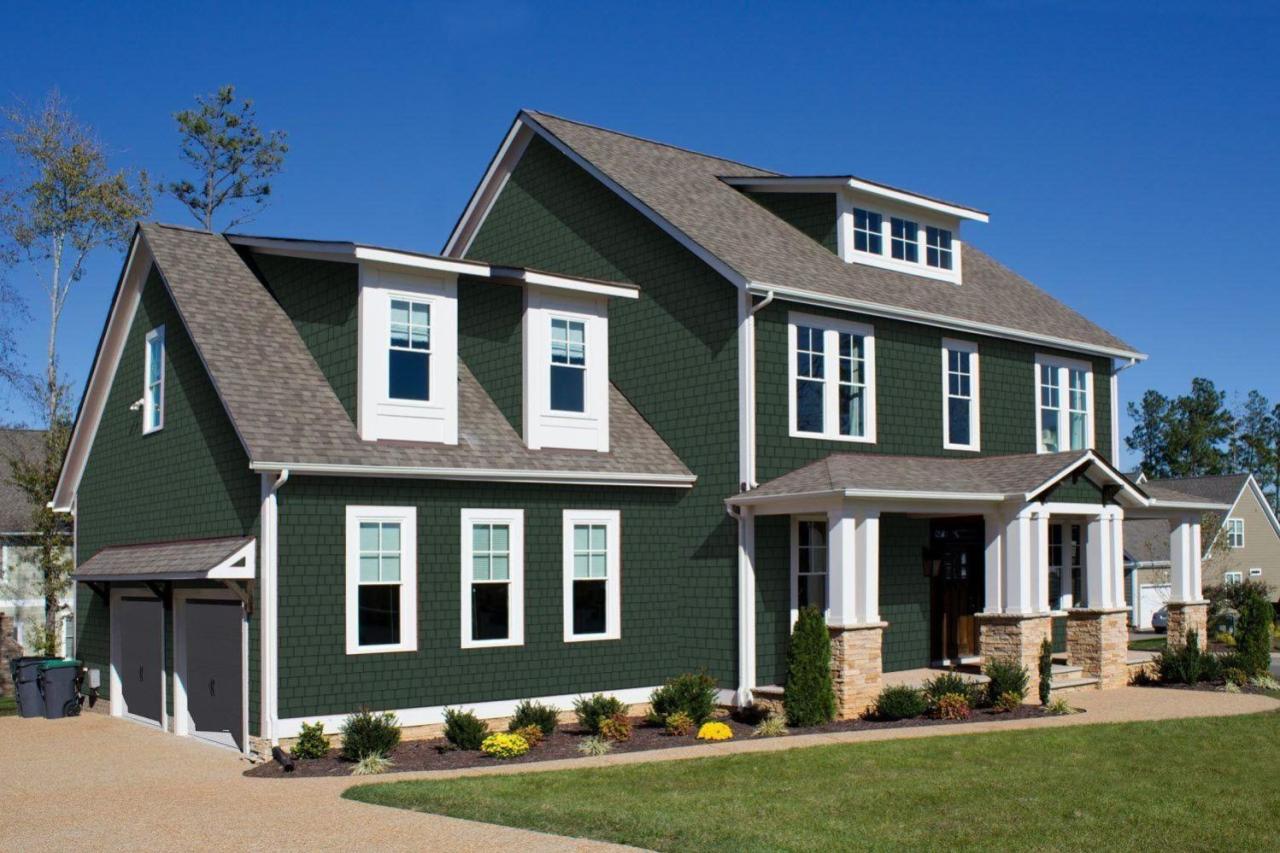
Types of Eco-Friendly Siding Options
When it comes to choosing eco-friendly siding options for your home, there are several materials to consider. These options not only help reduce your carbon footprint but also offer various benefits in terms of durability, energy efficiency, and aesthetics.1. Wood Siding
Wood siding is a popular choice for those looking for a natural and eco-friendly option. It is renewable, biodegradable, and has a timeless appeal. Wood siding can also provide good insulation, helping to reduce energy costs over time.2. Fiber Cement Siding
Fiber cement siding is a blend of cement, sand, and cellulose fibers, making it a durable and low-maintenance option. It is resistant to fire, rot, and pests, offering a long-lasting solution for environmentally conscious homeowners.3. Recycled Metal Siding
Recycled metal siding, typically made from aluminum or steel, is another eco-friendly option. It is highly durable, recyclable, and can be painted in various colors to suit different architectural styles. Metal siding is also known for its energy efficiency and ability to reflect sunlight, reducing cooling costs.4. Engineered Wood Siding
Engineered wood siding is made from wood fibers and other materials, providing a more sustainable alternative to traditional wood siding. It is designed to resist moisture, insects, and rot, offering a long lifespan with minimal maintenance required.5. Stone Siding
Stone siding, while heavier and more expensive than other options, is a durable and eco-friendly choice. It offers natural insulation properties, helping to regulate indoor temperatures and reduce energy consumption. Stone siding also adds a luxurious and timeless look to any home.Each of these eco-friendly siding options has its unique benefits and cost-effectiveness. Consider factors such as durability, maintenance requirements, energy efficiency, and aesthetic appeal when choosing the best option for your home.Installation and Maintenance
When it comes to eco-friendly siding materials, the installation process plays a crucial role in ensuring the longevity and effectiveness of the siding. Proper installation techniques can maximize the benefits of these sustainable options and contribute to a more energy-efficient home.Installation Process
- Choose a professional contractor with experience in installing eco-friendly siding materials.
- Follow the manufacturer's guidelines and recommendations for installation to ensure proper fit and performance.
- Consider the orientation of the siding panels to maximize energy efficiency and insulation properties.
- Properly seal and weatherproof the siding to prevent moisture infiltration and ensure durability.
- Regularly inspect the siding for any signs of damage or wear and tear, and address any issues promptly to prevent further damage.
Maintenance Tips
- Regularly clean the siding with a mild detergent and water to remove dirt, dust, and debris.
- Inspect the siding for any signs of mold, mildew, or rot, and address these issues promptly to prevent further damage.
- Trim any vegetation that may be in contact with the siding to prevent moisture buildup and potential damage.
- Consider applying a fresh coat of paint or sealant every few years to protect the siding from the elements and maintain its appearance.
- Monitor the siding for any signs of warping, cracking, or fading, and take necessary measures to repair or replace damaged sections.
Comparison to Traditional Siding
- Eco-friendly siding options generally require less maintenance compared to traditional siding materials like vinyl or wood.
- Traditional siding materials may need to be repainted, refinished, or replaced more frequently than eco-friendly options, adding to the overall maintenance costs.
- Eco-friendly siding materials are often more durable and resistant to rot, pests, and weather damage, reducing the need for frequent repairs and replacements.
- By choosing eco-friendly siding options, homeowners can enjoy long-term cost savings and environmental benefits while minimizing the maintenance requirements of their home's exterior.
Environmental Impact
Eco-friendly siding options play a crucial role in reducing the carbon footprint and promoting sustainability in the construction industry. These materials are designed to minimize environmental impact throughout their lifecycle, from production to disposal.Reducing Carbon Footprint
- Eco-friendly siding materials are often made from recycled or sustainable sources, reducing the need for virgin resources and energy-intensive manufacturing processes.
- By choosing eco-friendly siding, homeowners can improve the energy efficiency of their homes, reducing the overall carbon emissions associated with heating and cooling.
- Some eco-friendly siding options, such as fiber cement or reclaimed wood, have a longer lifespan, reducing the frequency of replacements and further lowering carbon emissions.
Sustainability Features
- Eco-friendly siding materials are typically durable and low-maintenance, reducing the need for frequent repairs or replacements that contribute to waste and environmental harm.
- Many eco-friendly siding options are designed to be energy-efficient, helping to regulate indoor temperatures and reduce reliance on heating or cooling systems powered by fossil fuels.
- Some eco-friendly siding materials, like bamboo or cork, have rapid growth cycles and can be harvested sustainably without causing long-term environmental damage.
Recyclability and Disposal
- Most eco-friendly siding products are recyclable at the end of their lifespan, reducing landfill waste and promoting a circular economy.
- Disposal processes for eco-friendly siding materials are often more environmentally friendly compared to traditional options, with some products being biodegradable or compostable.
- Homeowners can work with local recycling facilities to ensure that their eco-friendly siding is properly recycled at the end of its useful life, further minimizing environmental impact.