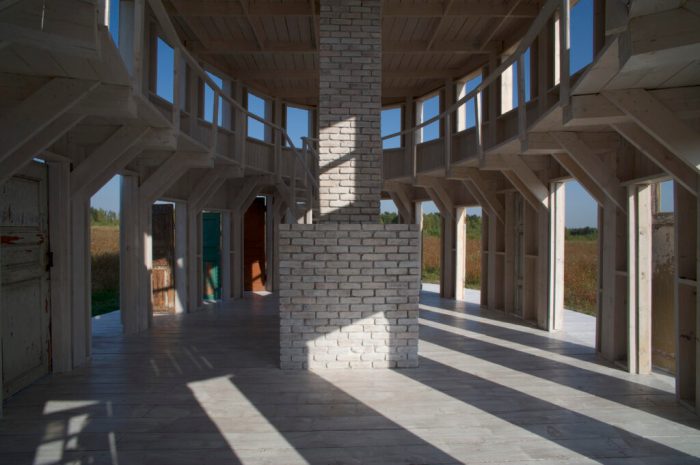
Alexander Brodsky: Russian Architecture That Speaks Volumes sets the stage for this enthralling narrative, offering readers a glimpse into a story that is rich in detail and brimming with originality from the outset.
As we delve into the world of Alexander Brodsky's architectural work, we uncover a blend of tradition and innovation that captivates the imagination.
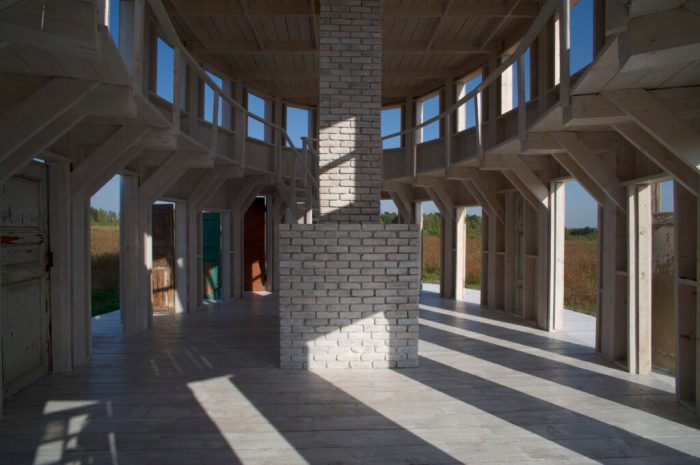 Alexander Brodsky's architectural style is characterized by a unique blend of whimsical creativity and a deep reverence for history and tradition. Unlike traditional Russian architecture, Brodsky's work often incorporates elements of surrealism and post-modernism, challenging the norms of conventional design.
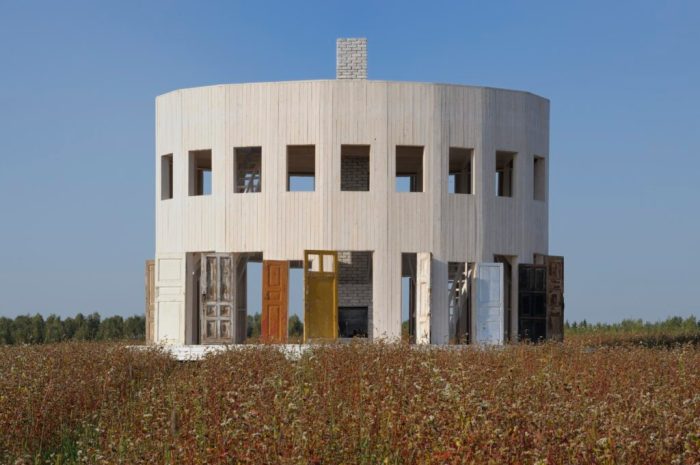 Alexander Brodsky's architectural creations are deeply rooted in Russian culture and history, reflecting a strong connection to his heritage. His designs often pay homage to traditional Russian architectural styles and incorporate elements that speak to the country's rich cultural past.
Introduction to Alexander Brodsky
Alexander Brodsky is a renowned architect from Russia known for his unique and thought-provoking architectural creations. His work often blends elements of art, architecture, and philosophy, challenging traditional norms and pushing boundaries in the field. Brodsky's significance in the Russian architectural scene lies in his ability to create spaces that tell stories and evoke emotions, bridging the gap between the past and the present.Key Projects
- Garage Center for Contemporary Culture (Moscow): Brodsky transformed an old Soviet-era restaurant into a cutting-edge cultural center, preserving the building's historical significance while infusing it with modern design elements.
- Stadium for the Olympic Games (Sochi): Brodsky's design for the stadium incorporated elements of Russian folklore and mythology, creating a visually striking and culturally rich venue for the international event.
- Island of Crimea (Koktebel): Brodsky's project on the Crimean coast features a series of unconventional structures that seem to emerge organically from the landscape, blurring the lines between architecture and nature.
Architectural Style of Alexander Brodsky
Alexander Brodsky's architectural style is characterized by a unique blend of whimsical creativity and a deep reverence for history and tradition. Unlike traditional Russian architecture, Brodsky's work often incorporates elements of surrealism and post-modernism, challenging the norms of conventional design.
Distinct Characteristics
- Use of unconventional materials such as salvaged wood, metal scraps, and other found objects.
- Surreal and dream-like structures that defy traditional architectural norms.
- Attention to detail and craftsmanship, often creating intricate and visually striking designs.
Setting Apart from Traditional Russian Architecture
- Brodsky's work stands out from traditional Russian architecture due to its experimental and avant-garde nature.
- A departure from the grandeur and ornamentation typically associated with Russian architecture, focusing instead on minimalist and thought-provoking designs.
- Emphasis on individual expression and artistic freedom, challenging the established architectural conventions.
Incorporation of Historical and Cultural References
- Brodsky often draws inspiration from Russian folklore, history, and cultural heritage, infusing his designs with layers of meaning and symbolism.
- References to historical events, architectural styles, and cultural motifs can be found throughout his work, creating a dialogue between past and present.
- By incorporating these references, Brodsky adds depth and richness to his architectural creations, inviting viewers to reflect on the significance of heritage in contemporary design.
Influence of Russian Culture and History
Alexander Brodsky's architectural creations are deeply rooted in Russian culture and history, reflecting a strong connection to his heritage. His designs often pay homage to traditional Russian architectural styles and incorporate elements that speak to the country's rich cultural past.
Integration of Cultural Elements
- Brodsky frequently uses materials such as wood and metal, which have been traditionally used in Russian architecture for centuries. This choice not only adds a sense of authenticity to his designs but also showcases his respect for the country's architectural heritage.
- His work often features intricate details and decorative elements inspired by Russian folklore and fairy tales. These whimsical touches not only add visual interest but also serve as a nod to the storytelling traditions deeply ingrained in Russian culture.
- Brodsky's use of symbolism is another way in which he integrates cultural elements into his architecture. For example, he might incorporate motifs like the onion dome, a quintessential feature of Russian church architecture, to evoke a sense of national identity and tradition.