Exploring the realm of affordable home siding options opens up a world of possibilities for homeowners looking to enhance their property. From cost-effective materials to DIY installation tips, this guide covers all you need to know to make an informed decision.
Types of Affordable Home Siding Options
When it comes to affordable home siding options, there are several materials to choose from. Each type has its own set of pros and cons, as well as varying levels of durability and maintenance requirements.Vinyl Siding
Vinyl siding is one of the most popular and affordable options for homeowners. It is low-maintenance, easy to clean, and comes in a variety of colors and styles. However, it may crack or fade over time and is not as durable as some other materials.Fiber Cement Siding
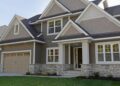
Fiber cement siding is a durable and cost-effective option that can mimic the look of wood or stone. It is resistant to fire, insects, and rot, but it can be more difficult to install and may require repainting over time.Wood Siding
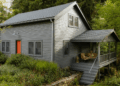
Wood siding provides a classic, natural look to a home and is relatively affordable. It is also environmentally friendly and can be easily painted or stained. However, wood siding requires regular maintenance, such as sealing and repainting, to prevent rot and decay.Metal Siding
Metal siding, such as aluminum or steel, is a durable and long-lasting option for homeowners on a budget. It is resistant to fire, insects, and rot, but it can dent easily and may require painting to prevent rust.Engineered Wood Siding
Engineered wood siding is a more affordable alternative to traditional wood siding. It is made from wood fibers and resin, making it resistant to rot and insects. However, it may not have the same aesthetic appeal as real wood and can be prone to moisture damage if not installed properly.Cost-Effective Siding Materials
Determining the cost-effectiveness of siding materials involves considering not just the initial cost but also factors like durability, maintenance requirements, and energy efficiency. By evaluating these aspects, homeowners can choose budget-friendly siding options that offer long-term savings.Budget-Friendly Siding Materials
- Vinyl Siding: Vinyl siding is one of the most affordable options, with an average cost of $3 to $7 per square foot. It requires minimal maintenance and has a long lifespan, making it a cost-effective choice.
- Fiber Cement Siding: Fiber cement siding is a durable and low-maintenance option that costs around $5 to $10 per square foot. While the initial cost may be higher than vinyl, it offers excellent longevity and performance, making it a good investment in the long run.
- Engineered Wood Siding: Engineered wood siding provides the look of real wood at a lower cost, averaging $4 to $8 per square foot. It is easy to install and maintain, making it a cost-effective alternative to traditional wood siding.
Tips for Saving Money
- Compare Quotes: Get quotes from multiple contractors to find the best deal on materials and installation.
- Consider DIY: If you have the skills and time, tackling the installation yourself can save on labor costs.
- Opt for Standard Colors: Choosing standard colors for your siding can help you avoid custom color costs.
- Look for Rebates and Discounts: Check for manufacturer rebates or local incentives that can lower the overall cost of your siding project.
DIY vs. Professional Installation
When it comes to installing affordable home siding options, homeowners often face the decision of whether to tackle the project themselves or hire professionals. Each option has its own costs and benefits, which need to be carefully considered before making a choice.Costs and Benefits Comparison
- DIY Installation:
- Cost-effective as you save on labor costs.
- Requires time, effort, and some level of skill.
- Can be rewarding and satisfying to complete the project on your own.
- Professional Installation:
- Higher upfront cost due to labor expenses.
- Professionals have experience and expertise for a quality finish.
- Ensures proper installation for longevity and warranty coverage.
Steps for DIY Siding Installation
- Prepare the surface by cleaning and repairing any damage.
- Measure and cut siding panels to fit the dimensions of your home.
- Install starter strips, corner pieces, and J-channels for a secure foundation.
- Attach siding panels using nails or screws, following manufacturer instructions.
- Finish with trim pieces and sealants to ensure weatherproofing.
Importance of Proper Installation
Proper installation of affordable siding options is crucial for their longevity and performance. When installed correctly, siding materials can withstand harsh weather conditions, prevent moisture intrusion, and enhance energy efficiency. DIY installations should be done meticulously to avoid future repairs and ensure the durability of the siding over time.Energy Efficiency and Insulation
When it comes to choosing affordable home siding options, considering energy efficiency and insulation is crucial. The type of siding material used can greatly impact the energy efficiency of a home, affecting both heating and cooling costs.Impact of Siding Materials on Energy Efficiency
- Vinyl siding is a popular choice for its affordability and low maintenance, but it may not offer the best insulation properties compared to other materials.
- Fiber cement siding provides better insulation and can help regulate indoor temperatures more effectively, potentially reducing energy costs in the long run.
- Wood siding, while aesthetically pleasing, may require more maintenance to ensure proper insulation and energy efficiency.
Role of Insulation in Reducing Energy Costs
Insulation plays a key role in reducing energy costs by keeping the home well-protected against external weather conditions. Proper insulation can help maintain a comfortable indoor temperature without overworking the heating or cooling systems.Tips for Choosing Energy-Efficient Siding Materials
- Look for siding materials with high R-values, indicating better insulation properties.
- Consider the climate in your area and choose siding materials that can withstand extreme temperatures while providing adequate insulation.
- Explore options like insulated vinyl siding or fiber cement siding with built-in insulation for improved energy efficiency.