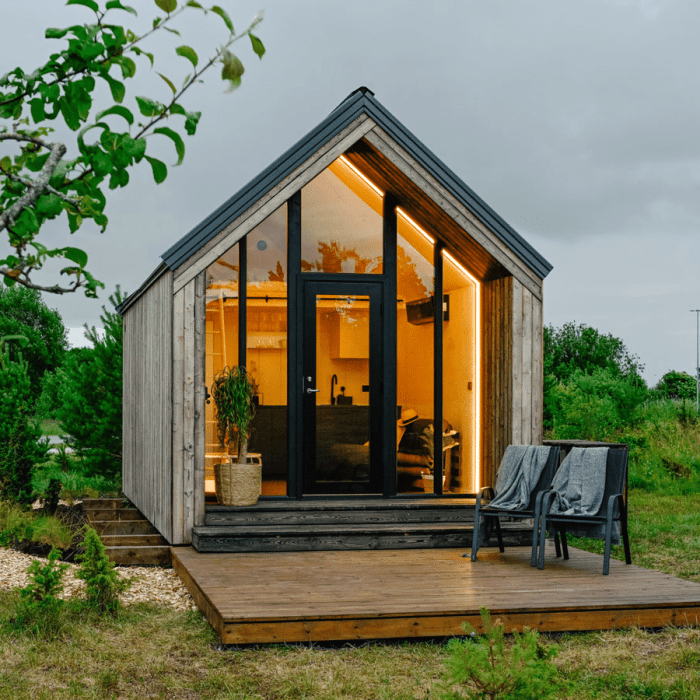
Embark on a journey into the world of tiny house living with a focus on optimizing space and embracing eco-friendly practices. Explore innovative solutions and practical tips that can transform your lifestyle in unexpected ways.
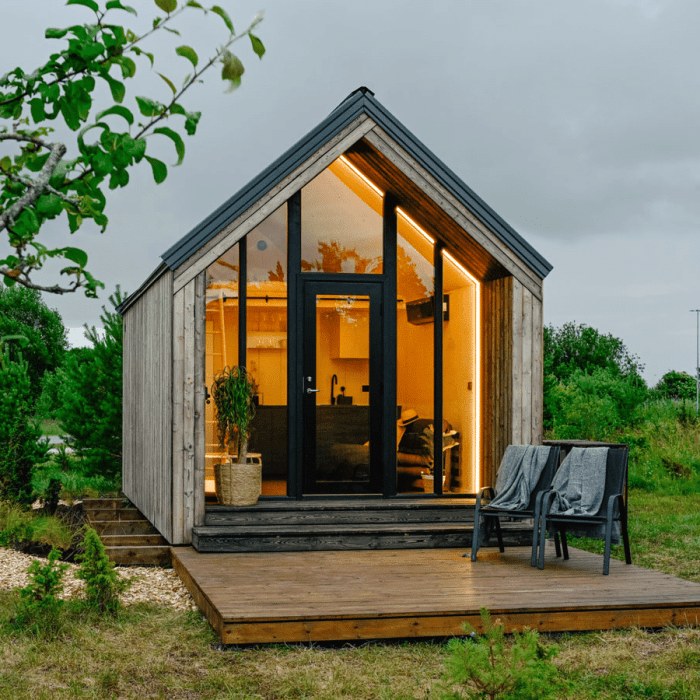 Living in a tiny house offers a range of advantages that go beyond just the small space it provides. Let's explore how this lifestyle choice can positively impact your finances and the environment.
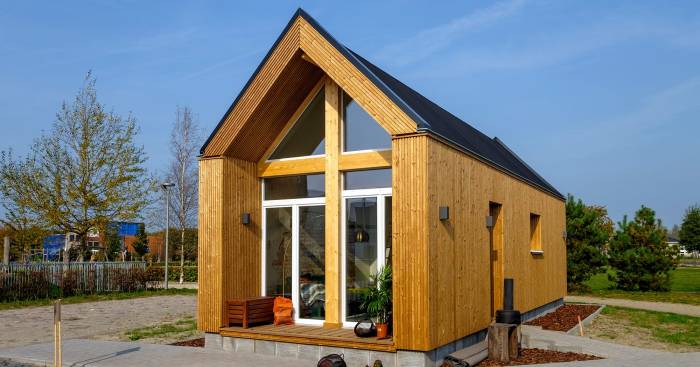 Living in a tiny house provides a unique opportunity to embrace sustainability and eco-friendly practices. By making conscious choices in design, construction, and daily living, you can reduce your environmental impact and live a more eco-conscious lifestyle.
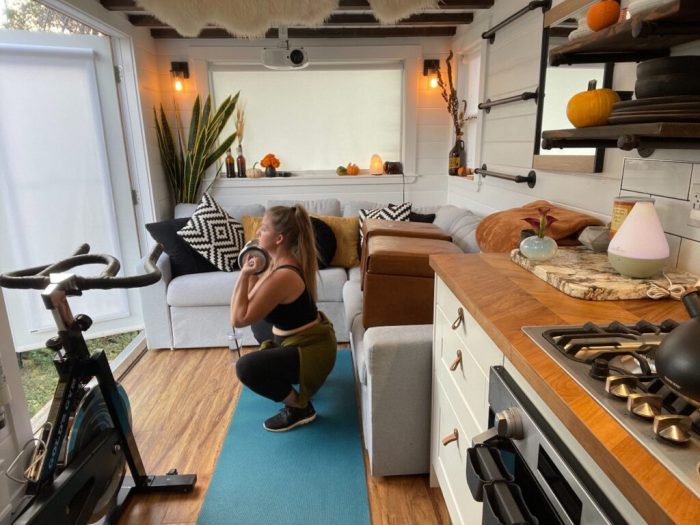 Living in a tiny house requires careful planning and organization to make the most of the limited space available. Here are some organization tips to help you keep your tiny house clutter-free and tidy.
Benefits of Tiny House Living
Living in a tiny house offers a range of advantages that go beyond just the small space it provides. Let's explore how this lifestyle choice can positively impact your finances and the environment.
Financial Savings
- Reduced upfront costs: Tiny houses are significantly cheaper to build or purchase compared to traditional homes, allowing for more affordable homeownership.
- Lower utility bills: With less square footage to heat, cool, and light, utility costs are typically much lower in a tiny house.
- Minimal maintenance costs: The smaller size means less maintenance and repairs, saving you money in the long run.
- Debt-free living: Many tiny house owners are able to pay off their mortgages quickly or even live mortgage-free, reducing financial stress.
Environmental Benefits
- Reduced carbon footprint: Tiny houses require fewer resources to build and maintain, leading to lower energy consumption and greenhouse gas emissions.
- Less waste: Downsizing to a tiny house often involves decluttering and adopting a minimalist lifestyle, reducing overall consumption and waste production.
- Closer connection to nature: Many tiny house dwellers opt for off-grid living, utilizing renewable energy sources and composting systems to live in harmony with the environment.
Design and Space Optimization
When it comes to living in a tiny house, maximizing space and optimizing design are crucial elements to ensure comfort and functionality in a limited area. By implementing smart strategies and creative ideas, you can make the most out of every square foot available.Optimizing Space in a Tiny House
To optimize space in a tiny house, it's essential to declutter regularly and only keep the items you truly need. Utilize vertical space by installing shelves and cabinets high up on the walls. Consider using multifunctional furniture pieces that can serve more than one purpose, such as a bed with built-in storage underneath or a dining table that can be folded down when not in use.Maximizing Storage in a Tiny House
Maximizing storage in a tiny house can be achieved by thinking outside the box. Look for hidden storage opportunities under stairs, inside walls, or above doorways. Utilize storage containers that can slide under furniture or be stacked neatly in closets. Get creative with storage solutions to keep your tiny house organized and clutter-free.Incorporating Multi-functional Furniture
When space is limited, incorporating multi-functional furniture is key to maximizing functionality. Look for pieces that can transform or adapt to different uses, such as a sofa that turns into a bed, a coffee table with storage compartments, or a kitchen island on wheels that can be moved around as needed. Multi-functional furniture not only saves space but also adds versatility to your tiny house.Sustainability and Eco-Friendly Practices
Living in a tiny house provides a unique opportunity to embrace sustainability and eco-friendly practices. By making conscious choices in design, construction, and daily living, you can reduce your environmental impact and live a more eco-conscious lifestyle.
Making a Tiny House More Sustainable
When it comes to making your tiny house more sustainable, consider incorporating the following practices:- Utilize renewable energy sources such as solar panels or wind turbines to power your tiny house.
- Implement rainwater harvesting systems to reduce water consumption and reliance on municipal water sources.
- Choose energy-efficient appliances and lighting fixtures to minimize electricity usage.
- Opt for composting toilets and greywater systems to reduce water waste and promote nutrient recycling.
Eco-Friendly Materials and Construction Practices
When building or renovating a tiny house, prioritize eco-friendly materials and construction practices to minimize environmental impact:- Use reclaimed or salvaged materials whenever possible to reduce the demand for new resources.
- Opt for non-toxic finishes and adhesives to improve indoor air quality and reduce off-gassing.
- Choose sustainable building materials like bamboo, cork, or recycled wood for flooring, countertops, and cabinetry.
Reducing Energy Consumption in a Tiny House
To further enhance the sustainability of your tiny house, focus on reducing energy consumption through these tips:- Maximize natural light and ventilation to reduce the need for artificial lighting and cooling/heating systems.
- Invest in high-quality insulation to maintain comfortable indoor temperatures without excessive reliance on HVAC systems.
- Practice energy-efficient habits such as turning off lights when not in use, unplugging electronics, and using smart thermostats to regulate heating and cooling.
Organization Tips for Tiny Living
Living in a tiny house requires careful planning and organization to make the most of the limited space available. Here are some organization tips to help you keep your tiny house clutter-free and tidy.