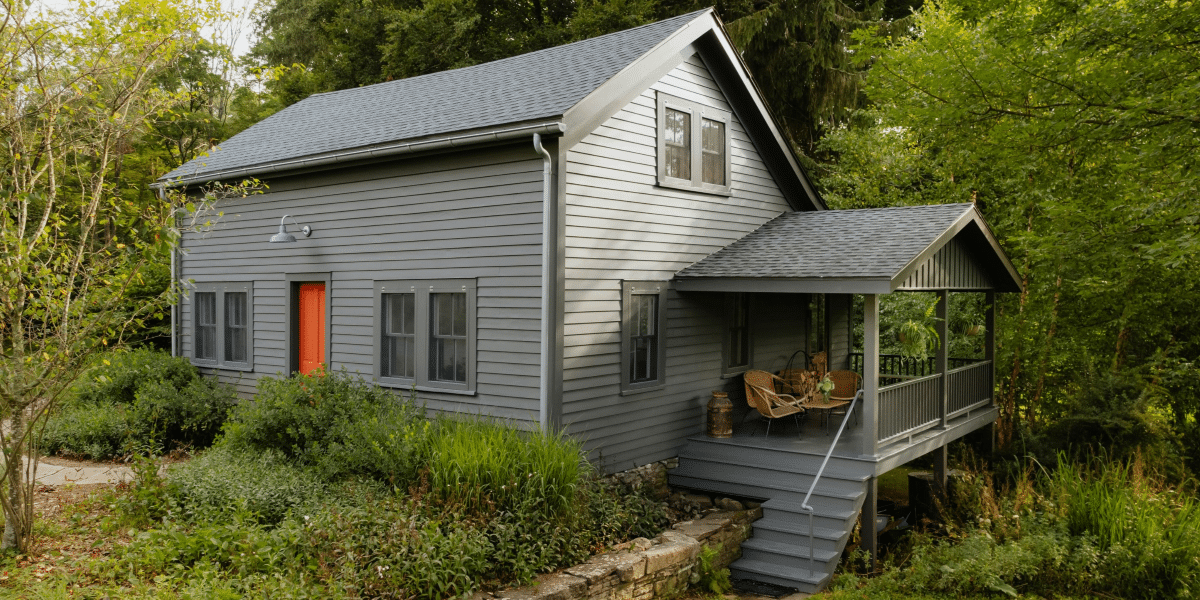
Embark on a journey through the world of new home siding options, where creativity meets functionality to enhance the beauty and durability of your home. From traditional materials to modern innovations, the choices are endless, offering something for every homeowner's unique style and needs.
Types of New Home Siding Options
When it comes to choosing the right siding for your home, there are various options available, each with its own set of characteristics, pros, and cons. It's essential to understand the differences between these siding materials to make an informed decision for your home.Vinyl Siding
Vinyl siding is one of the most popular choices for homeowners due to its affordability and low maintenance. It is available in a wide range of colors and styles, making it versatile for different home designs. However, vinyl siding may crack or fade over time, and it is not as durable as some other materials.Fiber Cement Siding
Fiber cement siding is a durable and low-maintenance option that resembles wood but is resistant to rot, fire, and pests. It is a bit more expensive than vinyl but offers excellent durability and longevity. However, fiber cement siding may require professional installation due to its weight.Wood Siding
Wood siding provides a natural and classic look to homes, with options like cedar, pine, and redwood. It is environmentally friendly and can be painted or stained in various colors. However, wood siding requires regular maintenance, such as painting or staining, to prevent rot and pest infestations.Brick Siding
Brick siding is known for its timeless and elegant appearance, offering excellent durability and resistance to fire and pests. While brick siding is more expensive upfront, it can last for decades with minimal maintenance. However, the installation cost of brick siding can be higher than other materials.Stucco Siding
Stucco siding provides a unique textured look to homes and is highly durable and fire-resistant. It is a good insulator and can help reduce energy costs. However, stucco siding may crack over time, especially in areas with extreme temperature changes, requiring repairs.Stone Veneer Siding
Stone veneer siding offers the look of natural stone at a fraction of the cost. It is lightweight and easy to install, providing excellent durability and resistance to weather elements. However, stone veneer siding may be prone to chipping or fading over time.Factors to Consider When Choosing Siding
When choosing siding for your home, there are several important factors to consider to ensure you make the right decision.Importance of Climate
The climate of your region plays a significant role in determining the best siding material for your home. For example, areas with high humidity may require siding that is resistant to moisture to prevent mold and mildew growth. In contrast, regions with extreme temperature variations may benefit from insulated siding to improve energy efficiency.Maintenance Requirements
Different siding materials have varying maintenance requirements. For instance, vinyl siding is known for being low maintenance and only requires occasional cleaning, while wood siding may need regular painting or staining to maintain its appearance and protect it from the elements. Consider the time and cost associated with maintaining the siding material before making a decision.Impact on Energy Efficiency
The type of siding you choose can have a significant impact on the energy efficiency of your home. Insulated siding, such as vinyl or fiber cement, can help improve the insulation of your home and reduce energy costs by keeping the interior temperature stable. It is essential to consider the long-term energy savings when selecting siding materials.Cost Differences
The cost of siding materials can vary greatly, depending on factors such as the material, quality, and installation requirements. For example, while vinyl siding is generally more affordable upfront, premium materials like fiber cement or natural wood may have a higher initial cost but offer better durability and longevity. Consider your budget and long-term investment when comparing the cost differences between various siding options.Popular Trends in Home Siding
As the housing industry continues to evolve, so do the trends in home siding. Let's take a closer look at some of the popular trends shaping the world of home exteriors.Colors and Textures
Homeowners are increasingly gravitating towards bold and vibrant colors for their siding, moving away from traditional neutrals. Textured siding options, such as cedar shake or stucco finishes, are also gaining popularity for adding depth and visual interest to homes.Sustainable and Eco-Friendly Options
With a growing emphasis on sustainability, eco-friendly siding materials like fiber cement and reclaimed wood are becoming more prevalent. These options not only reduce environmental impact but also offer durability and energy efficiency.Impact of Modern Technology
Advancements in technology have led to the development of innovative siding materials that offer improved performance and longevity. From engineered wood composites to vinyl siding with enhanced weather resistance, modern technology is revolutionizing the siding industry.Mixed Material Designs
Mixing different siding materials, such as combining vinyl with stone veneer or metal panels, has become a popular trend in modern home design. This approach allows for creative customization and adds a unique aesthetic appeal to homes.Installation and Maintenance Tips
When it comes to new home siding, proper installation and maintenance are crucial for the longevity and appearance of your home. Here are some essential tips to keep in mind:Installing New Home Siding
- Start by preparing the surface of your home, ensuring it is clean, dry, and free of any damage.
- Measure and cut the siding panels carefully to fit the dimensions of your home, allowing for expansion and contraction.
- Secure the siding panels according to the manufacturer's instructions, making sure they are properly aligned and spaced.
- Finish the installation by adding trim pieces, corner caps, and other accessories for a polished look.
Maintaining and Cleaning Siding Materials
- Regularly inspect your siding for any signs of damage, such as cracks, warping, or discoloration, and address them promptly.
- Clean your siding at least once a year using a mild detergent and a soft brush or cloth to remove dirt, mold, and mildew.
- For specific materials like vinyl or fiber cement, follow the manufacturer's guidelines for cleaning and maintenance to avoid damage.
Importance of Proper Insulation
Proper insulation is essential when installing siding to protect your home from moisture infiltration, energy loss, and structural damage. Insulation helps regulate indoor temperatures and reduce energy costs by creating a barrier between the exterior and interior of your home.Choosing the Right Contractor
- Research and compare different siding contractors in your area, checking their experience, credentials, and customer reviews.
- Get multiple quotes and ask for references to ensure you are hiring a reputable and reliable contractor for the job.
- Negotiate a detailed contract that Artikels the scope of work, materials used, timeline, and payment terms to avoid any misunderstandings.